
Have you ever 'really thought' about how much texture means in your pours? The textures we infuse into our artwork takes them from 'boring' to 'breathtaking,' adding a new dimension of interest and allure.
So let's talk about it!
Today, let's explore how you can maximize visual texture with color in your pours, transforming your artwork into a tactile experience that invites viewers to lose themselves in the depth and complexity of your piece.
Creating Texture with Color
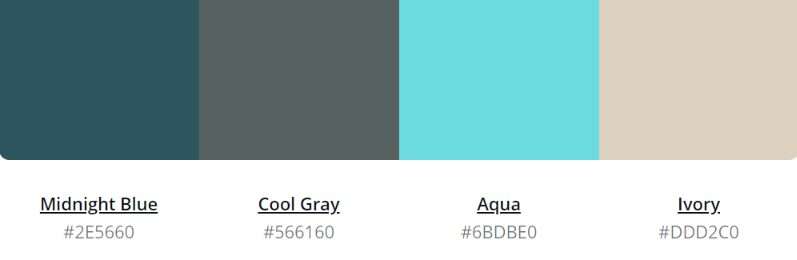
While texture in art is often associated with physical dimension, visual texture can be created when you add layers of depth with colors. Colors, when used correcty will make your artwork pop!
By mastering the use of color combinations and interactions, you can create illusions of texture that give your pours an engaging, almost tangible quality.
- Contrast is Your Friend: High contrast color pairs can create a vibrant tension in your artwork, making the texture stand out. Think of a dark, rich blue against a soft, creamy yellow. The stark difference not only highlights the colors but also the spaces between them, adding to the texture.
- Play with Complementary Colors: Utilizing complementary colors (those opposite each other on the color wheel) can add a dynamic energy to your pours. When these colors come into contact, they create a visual buzz that mimics texture, making the surface of your painting feel alive.
- Layer with Transparency: Colors with varying levels of opacity can be layered to create a sense of depth. Transparent layers over opaque ones allow for intricate visual textures, as the underlayers peek through, adding a mysterious allure to your piece.
- Experiment with Saturation: Alternating between saturated and desaturated hues within the same color family can simulate texture. This subtle variation can mimic the intricacies of natural surfaces, like the nuanced greens of a leaf or the gentle gradations in a sunset.
- Temperature Transitions: Gradual shifts from warm to cool tones (or vice versa) in your pours can create a visual temperature texture, giving the impression of a changing surface that can feel warm and inviting or cool and distant, depending on the colors you choose.
By thoughtfully selecting your color palette and experimenting with these interactions, you can infuse your pours with mesmerizing visual textures that elevate your art from beautiful to unforgettable.